
Rank, Ego, and Readiness
A week before this, I felt on top of the world.
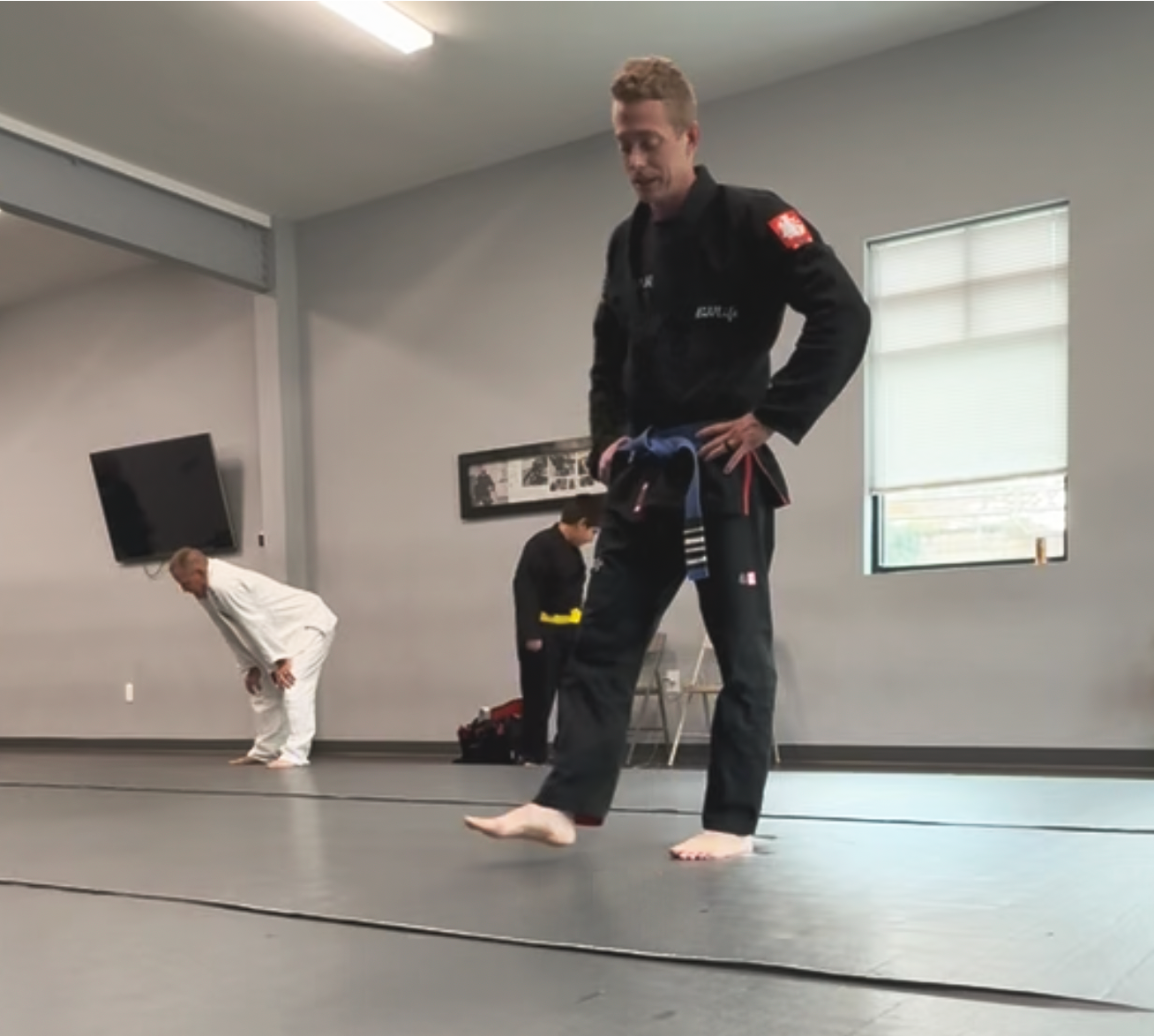
I had a long, technical roll with a blue belt I respect deeply — someone who has competed multiple times and carries himself well on the mats. The exchange was back and forth, demanding, and honest. Eventually, I came out on top.
I walked away from that round feeling sharp. Capable. Ready.
Then, a week later, I got tapped by a white belt.
Nothing dramatic happened. No injury. No blow-by-blow worth recounting. It was an ordinary moment that still managed to shake something loose.
The tap itself wasn’t the problem.
The story that followed was.
Almost immediately, my mind tied both moments — the win and the loss — to the same question: What does this say about my readiness for purple belt?
When things went well, it felt like confirmation: “I deserve a purple belt.” When they didn’t, it felt like disqualification: “I should stay at blue belt longer.”
This reaction didn’t start with jiu jitsu.

Me in my teens
Growing Up With Rank and Comparison
I grew up training Tae-Kwon-Do in the early 2000s, right as YouTube was gaining popularity. Suddenly, martial arts videos were everywhere. Flashy techniques. Extreme athleticism. Highly edited clips designed to impress.
At the same time, I was training seriously and working toward my black belt.
I was also watching people around me get promoted — people who, frankly, weren’t being held to the same standards. The gap between what I was seeing online, what I was seeing in other schools, and what I was experiencing in my own training started to create friction.
I remember thinking: Do I really deserve this black belt, or is it just being handed to me?
That thought wasn’t rooted in arrogance or jealousy. It was rooted in confusion.
I cared deeply about the meaning behind the rank, and suddenly that meaning felt unstable. I stayed after hours at my school training - teaching myself more advanced kicks than what most students there could perform. I paid for private lessons to improve and outrun this doubt, but I couldn't.
Ego Wants Certainty
Looking back, what I was really wrestling with wasn’t skill — it was ego.
Skill fluctuates. Anyone who trains seriously knows that. Some days timing is on. Some days you experiment and leave space. Some days you defend late or accept risk. Some days you are just off. Some days you end up being the worst one on the mat. The same practitioner can feel untouchable one week and exposed the next without anything fundamental changing.
Ego doesn’t like that reality.
Ego wants rank to mean safety. Ego wants consistency as proof. Ego wants progression to feel airtight.
So it grabs onto moments. It crowns some as evidence and treats others as warnings. It turns individual rounds into verdicts. That’s exactly what happened after the tap.
What Rank Actually Means
This realization came slowly, and it didn’t come from a single conversation or breakthrough. It took a few years for me to reconcile my feelings and come up with a solution.
A belt rank is only worth the standards required to attain it.
Rank isn’t universal. A black belt, a purple belt, or any other rank doesn’t carry the same meaning in every room. It reflects the standards, accountability, culture, and expectations of the place it was earned.
Once I understood that, something shifted.
Rank didn’t lose its meaning — it just stopped being something I outsourced to comparison.
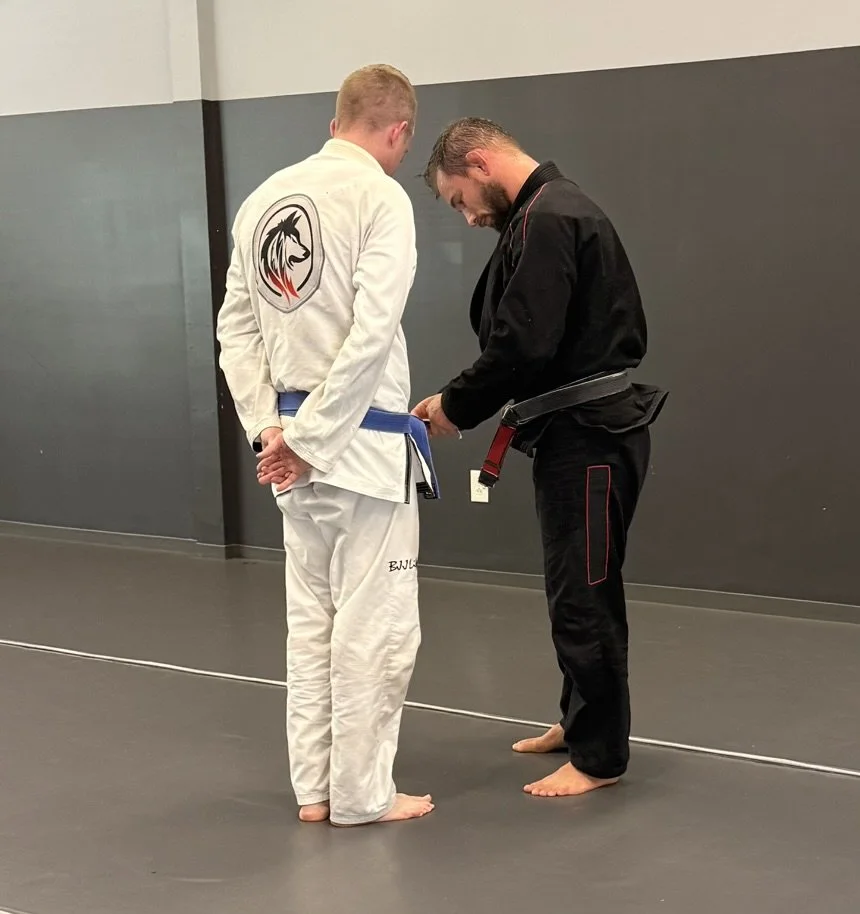

Winning the first round
Applying the Lesson
The tap didn’t require fixing. It didn’t require balancing out with a better story. It didn’t require reassurance.
It only required me not to let ego decide what it meant.
All of these feelings I experienced reminded me of what I tell my own students when they spar.
Everyone is going to have different strengths and weaknesses. Someone being better than you in a round — or even consistently better at sparring — doesn’t mean there’s something wrong with you. It doesn’t mean you didn’t earn your rank.
Rank isn’t about being the best person in the room on any given day. It’s a reflection of your own growth in the art — measured against where you started, not who happens to be across from you.
Training continues. The work is always the work. I hope this helps anyone struggling with the same internal conflict.
Readiness Isn’t a Single Moment
Now I am trying to keep that perspective with my jiu jitsu, a inherently much more competitive martial art.
Neither the good round nor the bad one gets to decide readiness. Winning against someone you respect isn’t confirmation. Getting caught by someone newer isn’t disqualification. I'm sure there are thousands of white belts better than me (they all wrestled in high school haha), just like I'm sure there will be thousands of blue belts better than me when I earn purple belt.
When my ego is damaged what should we do? Do we withdraw? Do we tighten up and stop experimenting? Do you let one moment overwrite years of work? Or do you stay present. Stay honest. Keep training and accept that rank is not the end all be all. There will always be someone better than you.
Higher rank doesn’t mean you are untouchable. If anything, it should give us more opportunities to be uncomfortable — we should aim to be more willing to play, explore, and accept risk instead of avoiding it.
That isn’t weakness. It’s maturity.
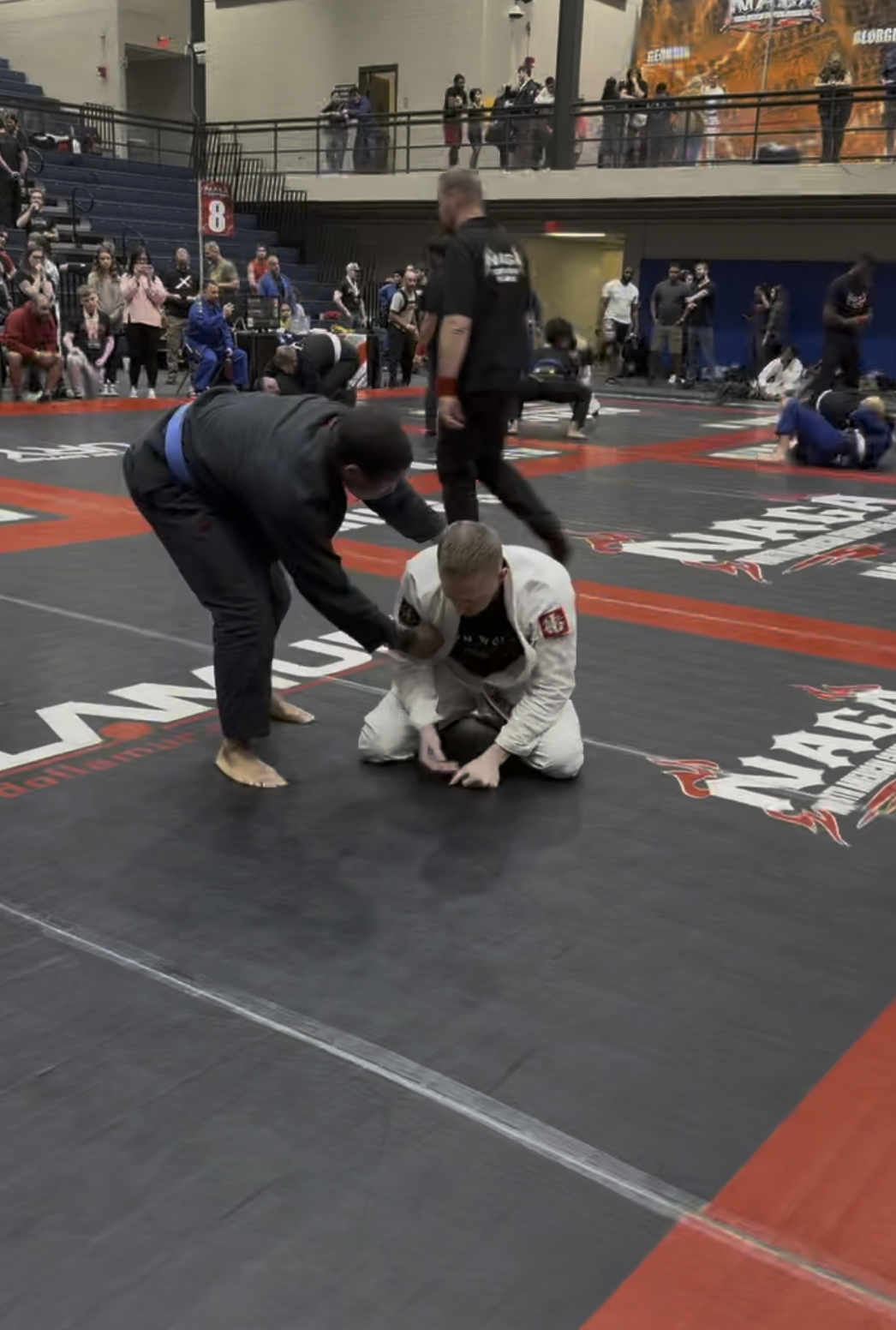
Absolutely demolished the second