
My Personal Training Gear
Disclosure: Some of the links in this post are affiliate links. That means I may earn a small commission if you buy through them, at no extra cost to you. I only share gear I actually use and believe is worth it.
I do not think you need a ton of equipment to train well. But I do think the right gear makes a big difference. Not because gear replaces hard work. It does not. But the right tools make training easier to repeat, easier to measure, and easier to take seriously.
These are the main pieces of gear I actually use in my training. This is not a giant roundup of everything in my gym. It is the stuff that has earned its place.
1. Resistance Bands
Resistance bands have been one of the most useful tools in my training.
I use them for assistance, progression work, and front lever training. They help me train hard progressions with better form instead of rushing to a harder stage before I’m ready.
Simple, portable, and actually useful.
Link:Resistance Bands
2. Pull-Up Bar
This is the most important piece of equipment on the list.
A pull-up bar is the foundation of so much of my training: pull-ups, front lever work, hanging strength, scapular control, and grip.
You can start with a doorframe bar, and that is fine. But if you have the space, a wall-mounted bar is worth it. It feels more solid, it is better once you start doing heavier weighted pull-ups, and you do not have to worry about beating up your door frame.
More than that, it changes the feel of your setup. It puts you in the mindset that you are training like an athlete on purpose.
Link: [Pull Up Bar]
3.
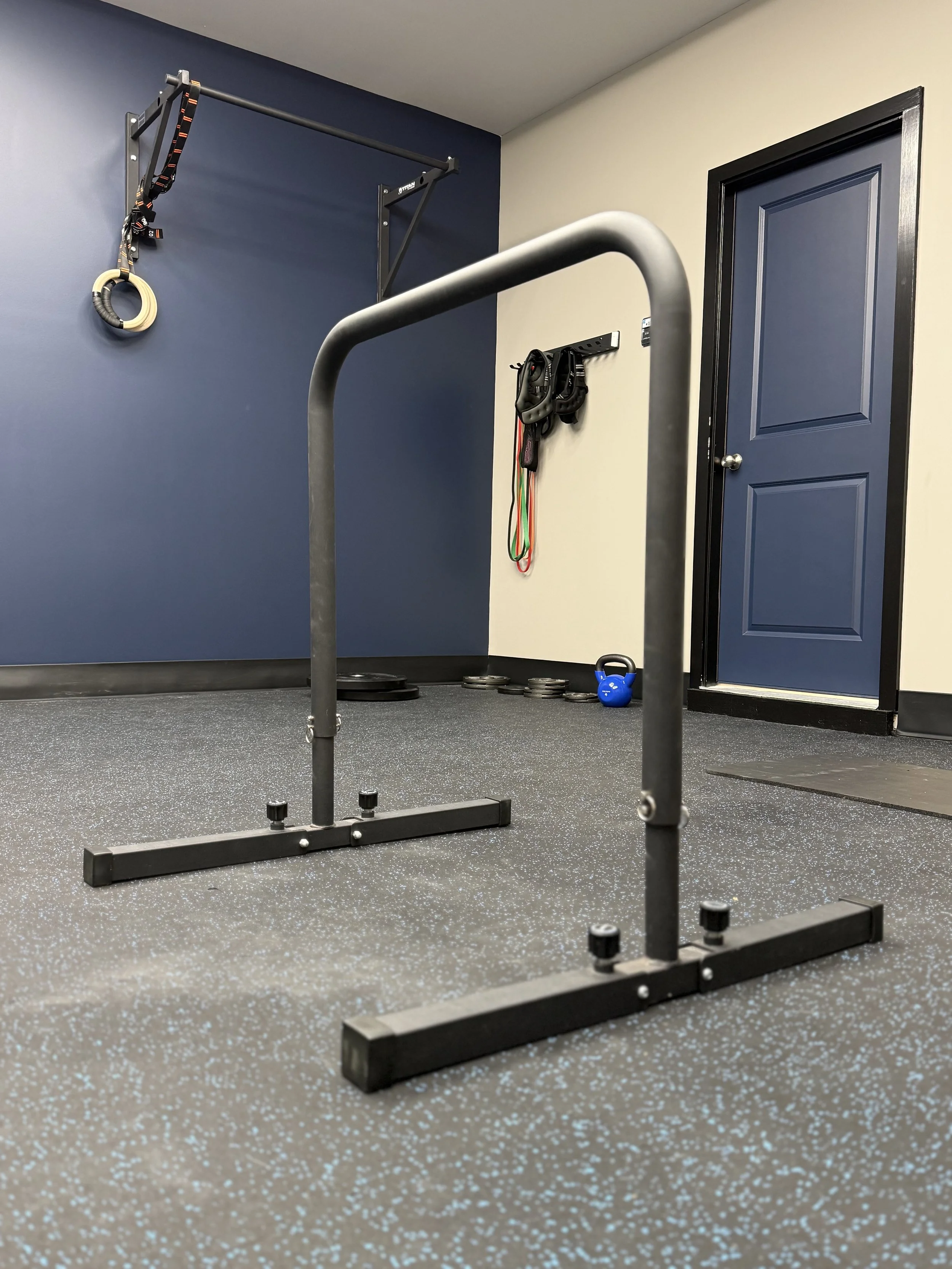
Base Bar Pro
The Base Bar Pro has been a great tool for front lever work.
I like it because it gives me another way to train lever-based positions with more focus. It feels more specific to the kind of training I care about, and that makes it fun to use.
If front lever is one of your main goals, equipment like this can make training feel more intentional.
Link: [Base Bar Pro (Front Lever Bar)]
4. Weight Belt
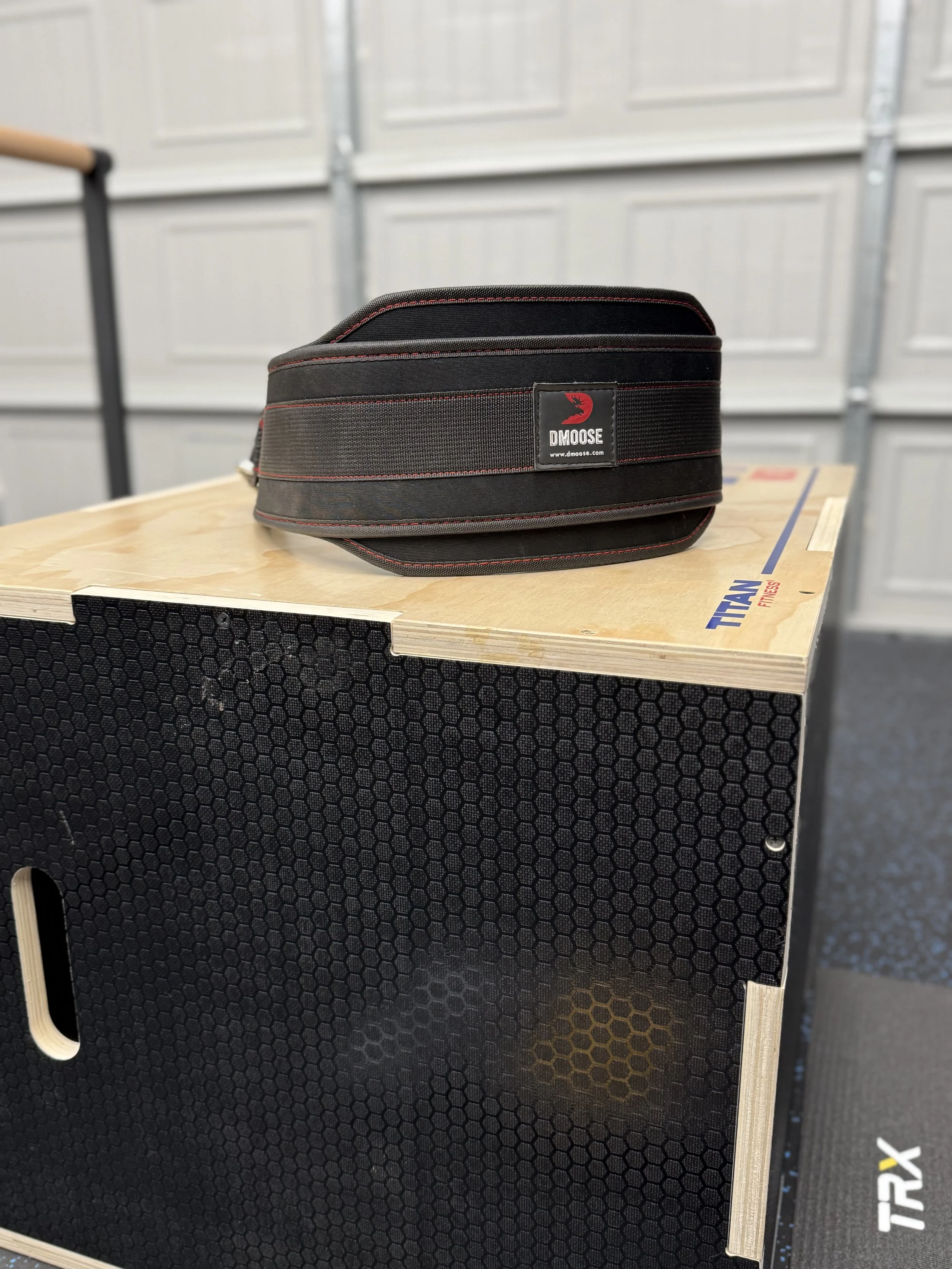
The weight belt has been huge for my pull-up and dip progress.
I’m a big believer in weighted bodyweight training. Once bodyweight reps get stronger, adding load is one of the clearest ways to keep progressing.
A good belt keeps that simple.
Link: [Weight Belt]
5. Dip Bars
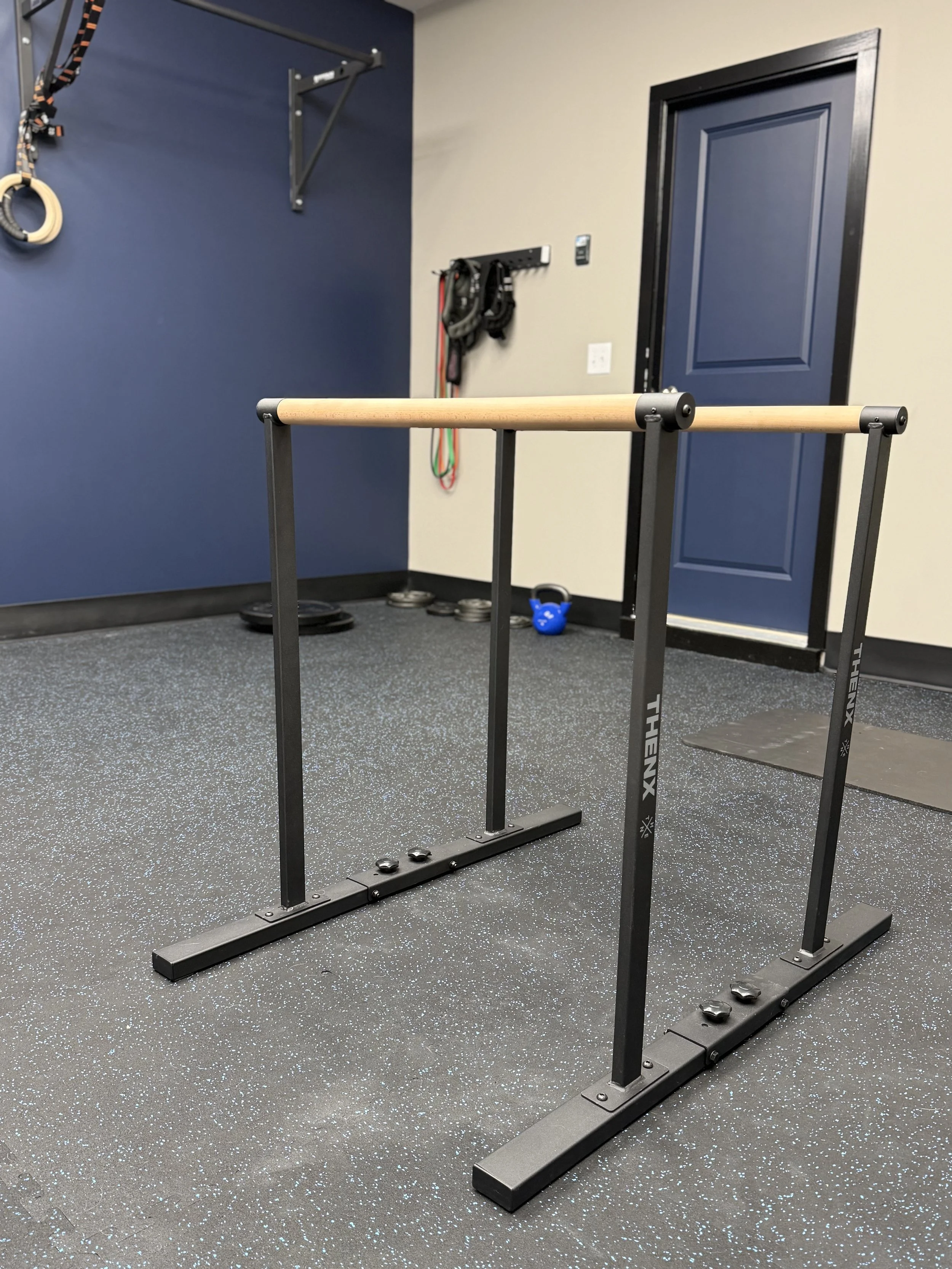
Dip bars are one of my favorite pieces of equipment because they do more than just dips.
I use them for dips, support holds, and other calisthenics work depending on the phase I’m in. I like gear that gives me more than one use, and these definitely do.
Link: [Dip Bars]
6. Camera Tripod
This might not sound like training gear, but it matters.
A tripod lets me film sets, review form, and track progress over time. Sometimes what a rep feels like and what it actually looked like are two different things.
It helps with content too, but even without that, filming your training is useful.
Link: [Camera Tripod]
7. Low Parallettes
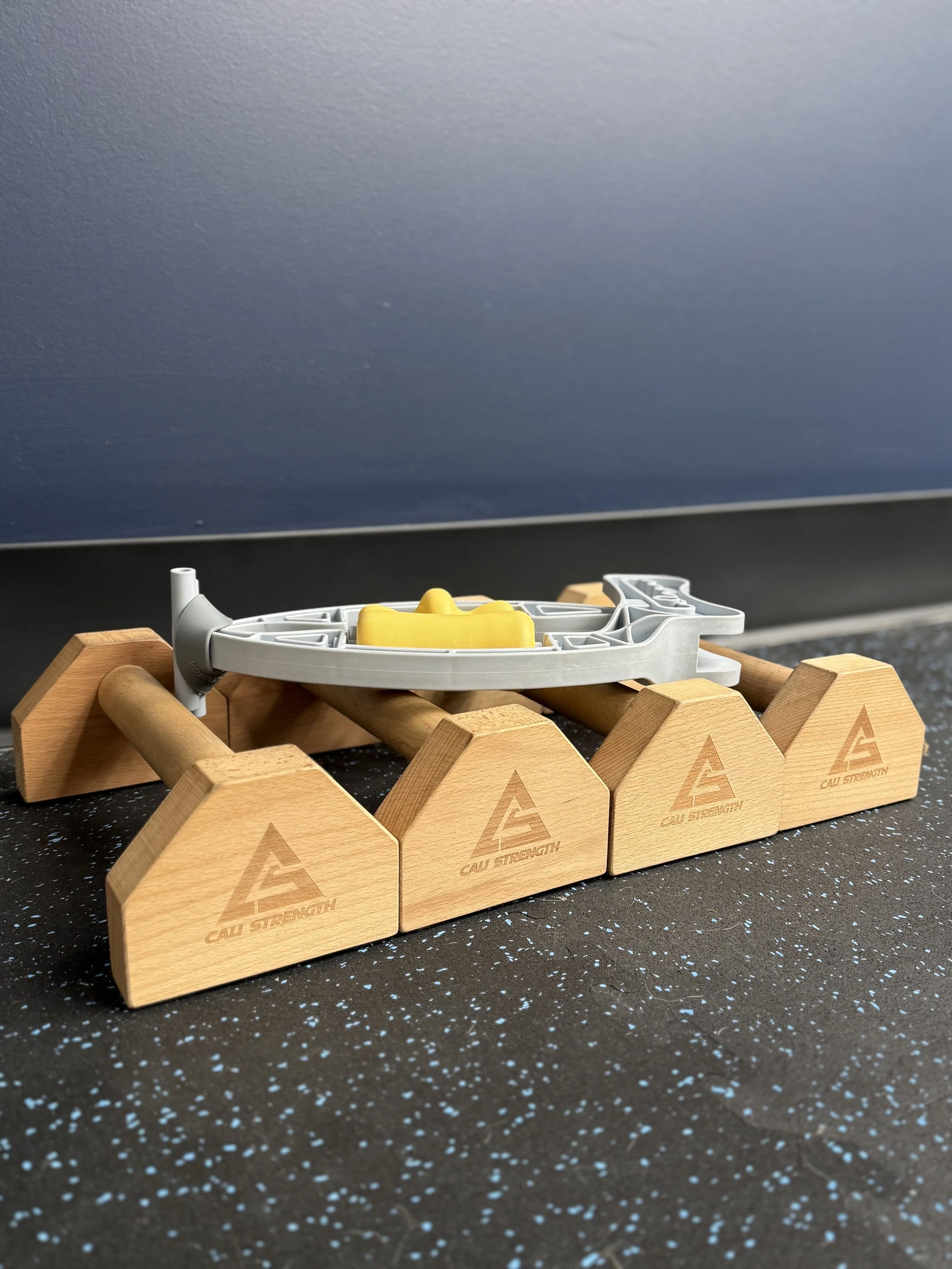
Low parallettes have been great for compression work, support positions, and handstand training.
They are easier on the wrists, they give me more clearance, and they are one of those tools I keep finding more uses for.
Small, simple, worth having.
Link: [Low Parallettes ]
8. TRX Mat
The TRX mat has been more useful to me as a measuring tool than just a normal mat.
I use it to track how far I’m leaning in pseudo planche push-ups, how deep I’m getting on pike push-ups, and how far I am from the wall on sissy squats. It gives me a cleaner way to measure progress instead of just eyeballing it.
I did not get it in time to use it for ring rows, but it would help there too.
Link: [TRX Mat]
9. Plyo Box
I use the plyo box with my TRX mat for elevated pike push-ups, and that has been useful for overhead strength and handstand progression.
I like it because it helps me keep the setup consistent while making the movement harder in a clear way. It is also one of those pieces of gear that ends up being useful for more things than you originally expected.
Link: [Plyo Box]
10. Compression Sleeves
These are more of a support item, but I wanted to include them because I do use them.
Compression sleeves can be nice when you want a little extra support for your elbows or joints during training, especially when volume is higher or something feels a little beat up.
I do not look at gear like this as a magic fix, but I do think small things that help you train more comfortably can be worth having.
Link: [Compression Sleeves]
Why Invest In This Gear?
I’m less interested in owning a ton of gear and more interested in owning tools that I actually use.
That is what all of this equipment has in common. It helps me train better, more easily track progress, or stay more consistent.
If you are building your own setup, do not worry about having everything. Start with the gear you will use the most and build from there.
If you want the exact setup I use, check the links above.
Some are affiliate links, which just helps support what I’m building here at no extra cost to you.
Build your setup right once—and train without limits.